
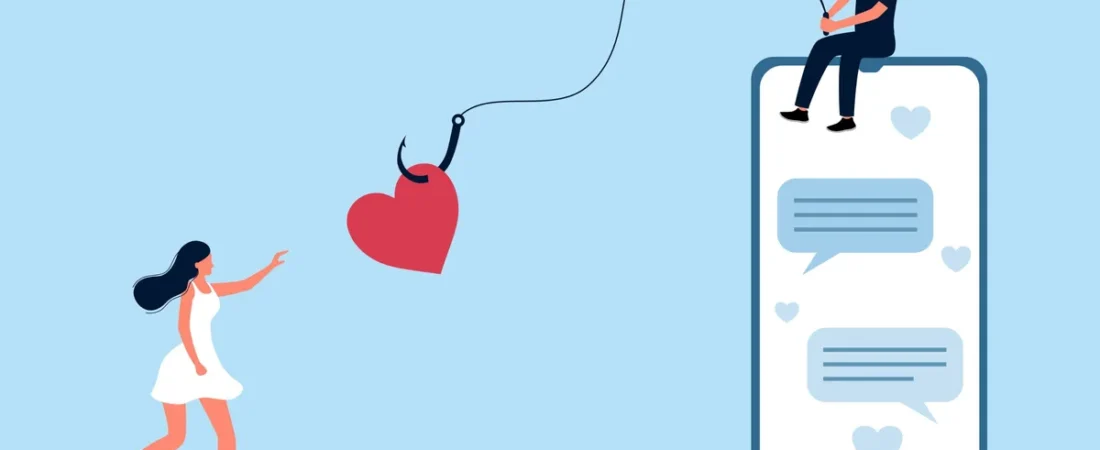
Not every dating platform lives up to its marketing. Some have been caught by federal regulators using fake profiles to trick people into paying, some have leaked millions of users’ private data, and some have simply racked up years of complaints about billing and inactive accounts. This roundup of the worst dating website offenders is built entirely on documented cases, not vague impressions. Before you hand over a credit card, it’s worth knowing which platforms have an actual documented track record of problems rather than just a bad Yelp review from someone having an off week.
Why “Worst” Should Mean Documented, Not Just Disliked
Take Nate, 33, a software developer from Ohio who signed up for a dating platform after seeing a slick ad, only to start receiving “someone’s interested in you” emails almost immediately — emails that turned out to be tied to accounts the platform had already flagged as likely fake. He subscribed to respond, and only later realized the pattern matched exactly what regulators had already investigated at other companies in the industry. Stories like his are exactly why a real worst dating website list should rely on documented enforcement actions and data breach records, not just anonymous one-star reviews.
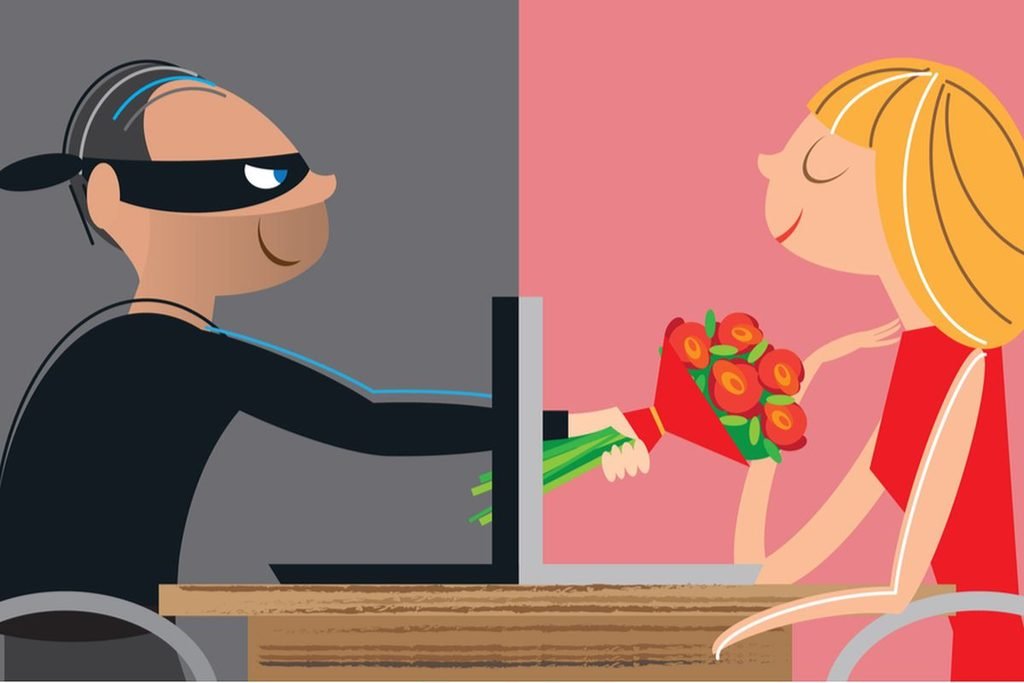
What Actually Lands a Platform on a Worst Dating Sites List
A genuinely Worst Dating Website tends to show up in one or more of these categories:
- Federal or state regulatory action for deceptive practices
- A confirmed data breach exposing sensitive user information
- A documented pattern of fake or bot-driven profiles used to drive subscriptions
- Billing practices — auto-renewal traps, difficult cancellation — that generated formal consumer complaints
Top 10 Worst Dating Websites: What Actually Happened
1. Match.com. The Federal Trade Commission sued Match.com in 2019, alleging the company sent messages encouraging free users to subscribe, even when many of those messages came from accounts already flagged internally as fraudulent. The case settled in 2025 for $14 million, with Match Group required to simplify cancellation and change how it markets guarantees going forward.
2. OkCupid. In a 2026 settlement, the FTC alleged that OkCupid and its parent, Match Group Americas, shared user data — including photos and location — with a third party without proper consent, despite earlier promises that it wouldn’t do so.
3. Ashley Madison. Best known for a 2015 data breach that exposed tens of millions of users’ personal information, the platform also faced later scrutiny and a settlement tied to its historical use of fake female profiles to keep paying male members engaged.
4. AdultFriendFinder. The platform’s parent company suffered multiple large-scale data breaches, including incidents in 2015 and 2016 that exposed account details for tens of millions of users, making it one of the most cited cautionary examples in online dating security discussions.
5. JDI Dating’s network of sites. In the FTC’s first-ever enforcement action against an online dating company, the England-based operator of sites like Cupids Wand and FlirtCrowd was found to have used computer-generated “virtual cupid” profiles to trick free users into paid subscriptions, then auto-renewed their memberships without clear consent. The company paid over $600,000 in consumer refunds.
6. Grindr. Norway’s data protection authority fined Grindr several million dollars after finding the app shared sensitive user information, including precise location and app usage data, with advertising partners without adequate consent.
7. eHarmony. A 2012 data breach exposed millions of user passwords, and the resulting fallout — including a class-action settlement — remains a frequently cited example in discussions about dating platform security.
8. Zoosk. Consumer complaint boards have logged a steady stream of reports over the years about difficult-to-cancel subscriptions and auto-renewal charges that caught users off guard, alongside frequent user complaints about a high proportion of inactive or low-effort profiles.
9. Plenty of Fish (POF). Years ago, journalists and researchers documented a significant spam-bot problem on the platform, where automated accounts messaged real users to drive traffic to unrelated websites — a pattern the platform has since worked to clean up, but one that shaped its early reputation.
10. Generic “instant hookup” clone sites. Beyond any single named platform, consumer protection groups regularly flag entire networks of near-identical, poorly disclosed sites that use fake chat “hosts” and aggressive recurring billing — a pattern the Better Business Bureau and FTC guidance both warn about repeatedly.
What People Actually Report About These Platforms
Across complaint boards and reviews, a few themes come up again and again regardless of which specific worst dating apps are being discussed: subscriptions that are far easier to start than to cancel, messages that turn out to be from inactive or fake accounts, and customer support that’s slow or unhelpful when a billing dispute comes up. None of this means every user has a bad experience — millions of people use these same platforms without major issues — but the volume and consistency of these complaints is exactly why they show up on lists like this one in the first place.
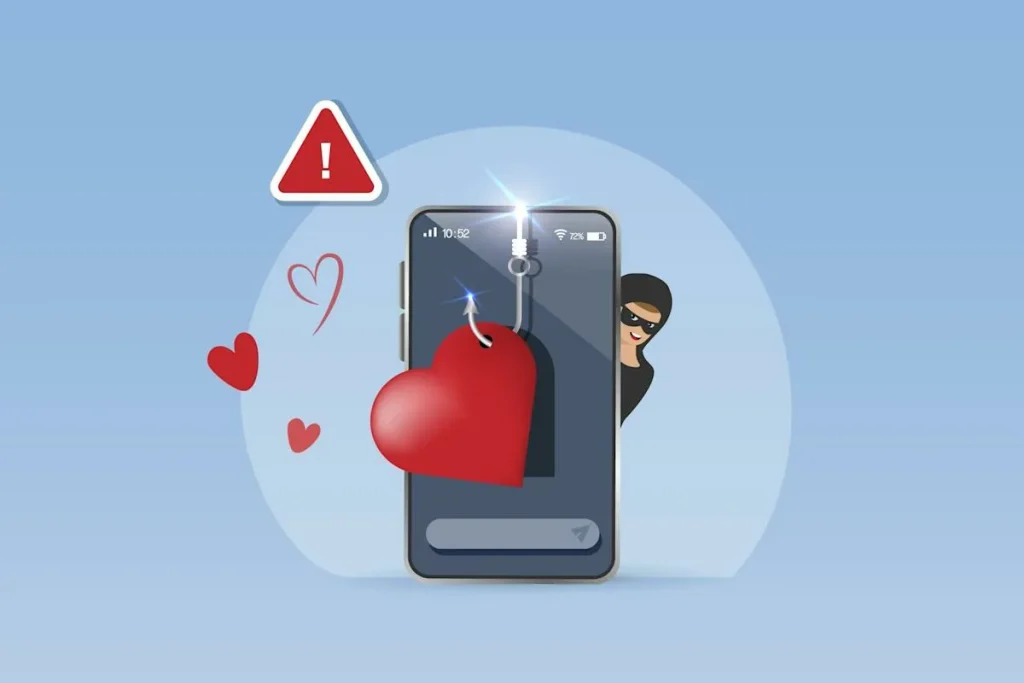
Dating Site Scams: How to Protect Yourself Regardless of Platform
Even reputable platforms have individual scammers slipping through, so a few habits apply everywhere:
- Reverse image search suspicious profile photos
- Be cautious of anyone who avoids video calls or pushes to move off-platform quickly
- Never send money, gift cards, or financial account details to someone you haven’t met in person
- Read the cancellation policy before subscribing, not after trying to cancel
Dating Site Red Flags Worth Remembering
A few warning signs tend to show up across nearly every case above: vague or missing company contact information, subscription terms that are hard to find before you enter payment details, and a flood of messages immediately after creating a free profile. Treating any of these as a reason to slow down, rather than a reason to upgrade quickly, tends to prevent most of the worst outcomes.
Final Thoughts
Being on a worst dating website list doesn’t necessarily mean a platform is unusable today — some of the cases above led to real regulatory changes and improved practices. What it does mean is that these platforms have a documented history worth knowing before you sign up, so you can weigh that history against your own tolerance for risk rather than finding out the hard way. You can also find out about a dating site for divorced singles.
Frequently Asked Questions
What makes a platform qualify as a worst dating website? Generally, a documented pattern of regulatory action, data breaches, fake or bot-driven profiles, or a high volume of consistent billing complaints — not just a single bad personal experience. A single anonymous review rarely earns a spot on a worst dating website roundup on its own.
Are any of the sites on this list still unsafe to use today? Not necessarily. Several, including Match.com and OkCupid, have made changes required by regulatory settlements. The history is worth knowing, but current practices can differ from what led to the original complaints.
How can I tell if a message on a dating app is from a real person? Look for a consistent digital footprint, insist on a video call before getting invested, and be skeptical of messages that arrive suspiciously fast after creating a free account.
Is it worth reading complaint boards before signing up for a dating site? Yes, particularly for billing terms and cancellation difficulty, since these patterns tend to repeat and are usually easy to spot before you subscribe.
What should I do if I think I’ve been scammed on a dating site? Stop all contact, report the account to the platform directly, and file a report with the FTC at reportfraud.ftc.gov, especially if any money changed hands.