
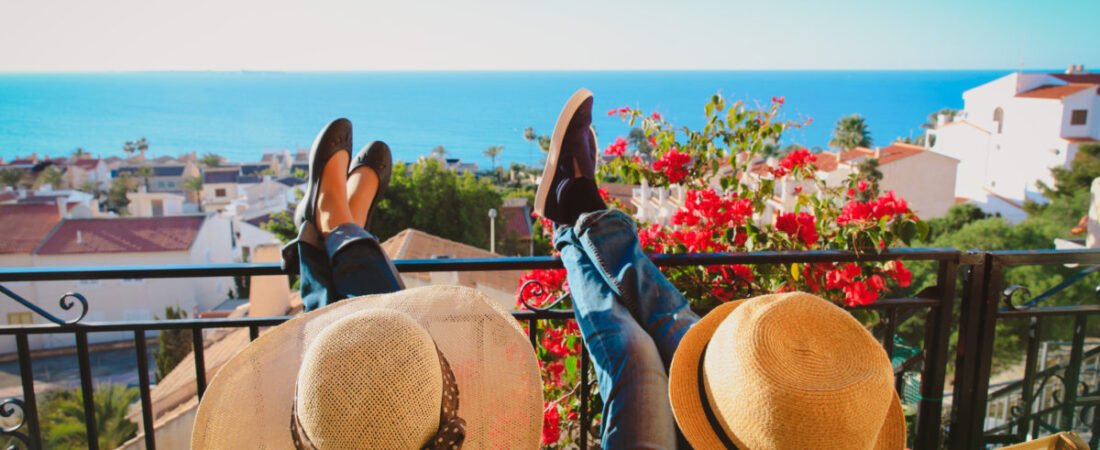
Spain has a reputation for long dinners, late nights, and a lively social life, and all of that shapes how romance works there. Dating in Spain is more social, more spontaneous, and often later in the evening than in many English-speaking countries. It also comes with a stack of stereotypes that are worth understanding before you swipe, book a table, or move to Valencia.
What Makes Dating in Spain Different
Take Chloe, 31, a marketing manager from Leeds who moved to Madrid. Her first surprise was the schedule: her date suggested meeting at 10 p.m. for dinner, then drinks afterward. Her second was how relaxed the whole thing felt. Nobody was rushing to define anything, and the evening ended on a terrace at 2 a.m. with two of his friends who had wandered by.
That mix of late hours, group settings, and an easygoing pace is common across the country, although big cities and smaller towns can differ. Dating in Spain often unfolds through friends, shared plans, and repeated casual meetups rather than a formal first date with a fixed script.

Dating Culture Spain: The Basics
A few features of dating in Spain shape most early encounters:
- Late schedules. Dinner is often at nine or later, and going out can continue well past midnight
- Group socializing. Friends are usually part of the picture early on
- Physical warmth. Greetings often include a kiss on each cheek, and people can seem closer in personal space than in some other countries
- Sobremesa. Long conversations after a meal are a valued ritual, so do not rush the end of dinner
- Regional variety. Madrid, Barcelona, Andalusia, and the Basque Country each have their own rhythms and languages
The important point is that these are tendencies. Individuals vary widely, and younger urban professionals often date in ways that look similar to other European cities.
Spanish Dating Etiquette: Habits Worth Knowing
Some Spanish dating etiquette will help you avoid confusion:
- Being on time is appreciated, but a relaxed arrival is not usually taken as rude, so ask if you are unsure
- Casual meetings are often described as “quedar,” meaning to meet up, and do not always signal formal romantic intent
- Directness is generally welcome, and people often say what they think
- Paying practices vary, and splitting or taking turns is common among younger people
- Small efforts in Spanish, even a few phrases, earn a lot of goodwill
If something is unclear, asking simply and warmly is usually better than guessing.

Spanish Men Stereotypes: What Is Fact and What Is Fiction
Spanish men stereotypes usually involve confidence, flirtatiousness, and machismo. Like all national stereotypes, they flatten a diverse population into a single type. Spain has changed a great deal in recent decades, and attitudes to gender roles, equality, and relationships vary sharply by age, region, and background. Plenty of Spanish men are shy, thoughtful, feminist, or simply uninterested in performing a stereotype.
A more useful approach is to treat stereotypes as vocabulary you may hear, not as predictions. Meeting someone new is easier when you respond to the person instead of the label.
Macho Iberico Meaning: A Term You May Hear
You may come across the phrase macho iberico meaning something like an old-fashioned, assertively masculine Spanish man. Note that this is informal, tongue-in-cheek shorthand rather than an official term, and usage differs between speakers. It works best as a stereotype label rather than a fixed category.
The root word is easier to pin down. “Macho” comes from Spanish for “male” and, once borrowed into English, came to describe exaggerated or aggressive masculinity. In modern Spain, a macho ibérico stereotype is typically used with a wink, or critically, to describe attitudes many people now consider outdated. Many Spaniards reject it as a description of themselves.

El Niñato Spain: The Immature Young Man Label
Another label you may hear is el niñato. Spain’s official dictionary defines “niñato” as a derogatory term for a young person who is presumptuous and immature. In casual use, it describes someone who behaves like a kid well into adulthood, who avoids responsibility, or who acts entitled.
The el niñato Spain stereotype is often applied to young men who still live at home and enjoy going out more than settling down. Like other labels, it says more about a critic’s frustration than about any one person, and it is used for men and women alike in some contexts.
Why Do Spanish Men Live With Parents?
The question of why do Spanish men live with parents comes up constantly. Eurostat figures put the average age of leaving the family home in Spain at just over 30, well above the EU average of roughly 26, with men usually staying longer than women. High rents, temporary contracts, and youth unemployment are major reasons.
For dating, that means many people in their late twenties and thirties live with family, and it does not necessarily reflect immaturity or unwillingness to commit. Some will host dates less often and prefer to meet out, which is part of why Spanish social life spills into bars, terraces, and restaurants.
Dating a Spanish Man: Tips That Help
If you are dating a Spanish man, a few dating a Spanish man tips are worth keeping in mind:
- Do not assume he fits a stereotype, and ask about his interests and background
- Be prepared for family and friends to become part of the picture, sometimes quickly
- Learn a bit of Spanish, and if he speaks Catalan, Basque, or Galician, show interest in that too
- Talk openly about expectations, since directness usually goes down well
- Enjoy the pace, and try not to read a late dinner as disinterest
Jack, 36, a software developer from Seattle living in Barcelona, said the best change he made was to stop treating dates as tests and start treating them as evenings out with someone interesting.

Expat Dating Spain: Where to Meet People
Expat dating Spain can be rewarding but takes effort. Language exchanges, sports clubs, dance classes, volunteering, and hobby groups all give you a shared activity, which takes pressure off. Maya, 28, a teacher from Melbourne in Valencia, met her partner through a weekly hiking group and said having something to do together made conversation easy.
If you are relying on apps, expect activity to be strongest in Madrid, Barcelona, Valencia, and Seville, with much less in small towns.
Using a Spain Dating App
Many people use a Spain dating app to broaden their circle, particularly when they are new to a city. Mainstream international apps are widely used, but numbers vary widely by location. Spend a week on the free version and note how many active profiles appear nearby before you pay for anything, and set your language preferences so you reach both Spanish speakers and other expats. As always, keep early chats on the platform, use a video call before meeting, and choose a public place.
Final Thoughts
Dating in Spain rewards patience, curiosity, and a willingness to go with the flow. Stereotypes are a poor guide, the economics of housing explain much of what looks like culture, and the best results tend to come from meeting people through shared activities. Stay open, learn some Spanish, and enjoy the late evenings. Anyone curious about dating in Spain will find that showing up with genuine interest matters more than knowing every custom. You can also find out about dating sites for those over 30.
Frequently Asked Questions
What is a typical first date like in Spain? Often casual and social, such as drinks, tapas, or dinner that starts late. Friends may join, and the evening can run well past midnight.
Are Spanish men really macho? Some hold traditional views, but it varies widely by generation and region. Treat macho as a stereotype, not a rule, whatever you have read about dating in Spain.
Is it true that many Spaniards live with their parents? Yes, the average age for leaving home is around 30, mostly because of housing costs and job insecurity, not a lack of independence.
Do I need to speak Spanish to date in Spain? Not always, especially in big cities, but even a little Spanish makes a big difference and opens up more people to meet.
How should I meet people as an expat in Spain? Sign up for a class, a sports club, or a language exchange, and accept invitations when they come. Apps help some people, though plenty of expats end up meeting partners through friends and hobbies.